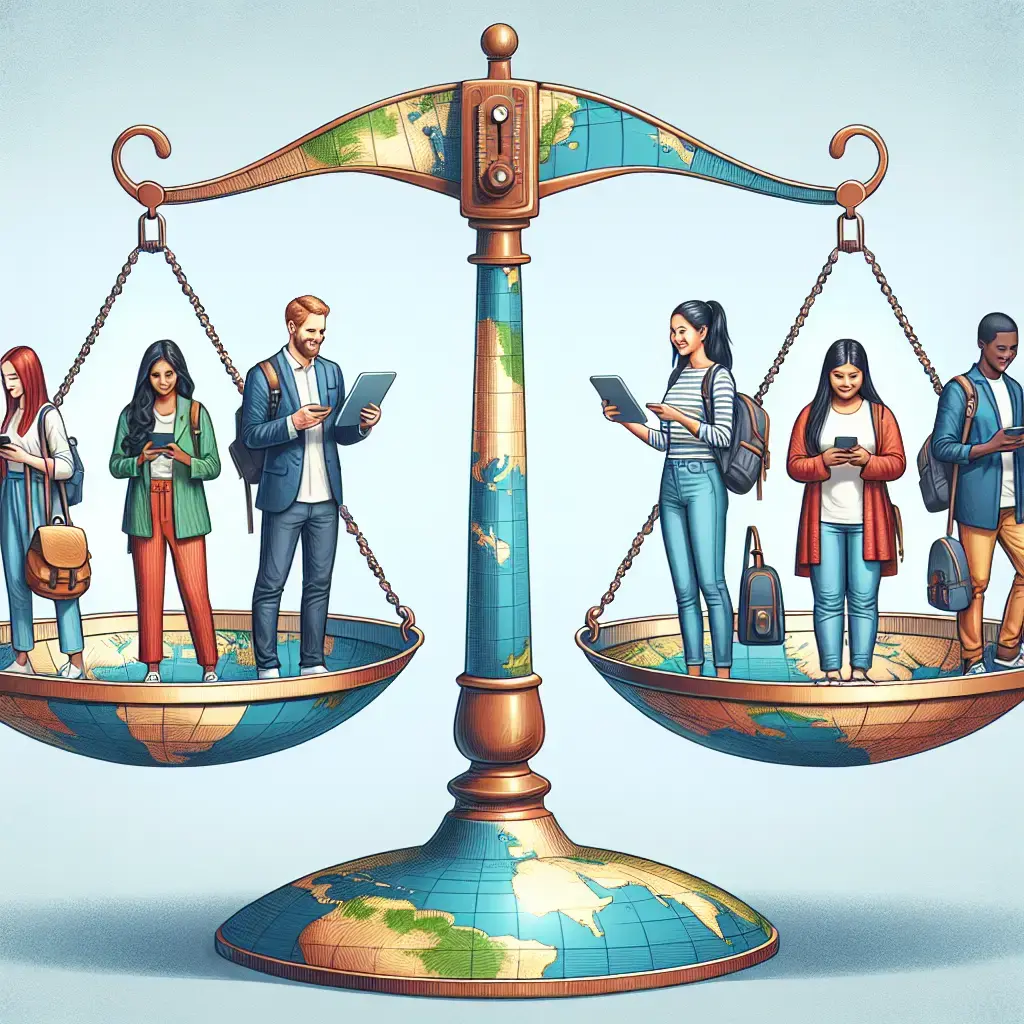
Exploring the Gender Imbalance in STEM and Its Impact on Technology Sectors
The role of women in Science, Technology, Engineering, and Mathematics (STEM) has been a topic of significant discussion and analysis over recent years. Despite making strides in various industries, women continue to face a substantial gender imbalance, particularly in technology sectors like hospitality and travel technology. This imbalance not only affects the growth and innovation within these fields but also impedes the broader progress of technology-driven industries.
In a recent examination, as highlighted in an article from PhocusWire, the travel technology sector is noted for its "woeful gender imbalance," which has been described as holding back the entire technology sector. The reasons behind this disparity are multifaceted, stemming from societal norms, educational barriers, workplace culture, and recruitment practices.
Key Factors Contributing to Gender Imbalance in STEM
Societal Norms and Perceptions: Traditional gender roles have long influenced career choices, often discouraging women from pursuing careers in STEM fields from an early age. This societal influence can deter young women from exploring their potential in these areas.
Educational Barriers: Although there has been progress in increasing female participation in STEM education, significant gaps remain. Women are underrepresented in certain STEM disciplines, particularly in fields like computer science and engineering.
Workplace Culture: Many tech environments are perceived as male-dominated spaces where women may feel marginalized. This can lead to a lack of role models and mentors for aspiring women professionals in STEM.
Recruitment Practices: Biases in hiring and promotion processes can further contribute to the gender gap. Companies that do not prioritize diversity may inadvertently perpetuate an imbalanced workforce.
The Impact of Gender Imbalance on Technology Sectors
The underrepresentation of women in technology sectors is not just a gender equity issue; it is also an economic one. Diverse teams are known to drive innovation and creativity, essential components for success in technology-driven industries. By limiting the participation of women, these sectors risk missing out on diverse perspectives and solutions that could enhance productivity and growth.
Steps Toward Achieving Gender Parity
Addressing gender imbalance requires a collective effort from educational institutions, employers, policymakers, and society at large. Here are some steps that can be taken:
Promote STEM Education for Girls: Encouraging interest and providing support for girls in STEM from a young age can help break down barriers before they become entrenched.
Mentorship and Role Models: Establishing mentorship programs can provide guidance and inspiration for young women entering these fields.
Inclusive Workplace Policies: Companies should actively create inclusive environments that support diversity and address unconscious biases in hiring and promotion practices.
Policy Interventions: Governments can play a crucial role by implementing policies that promote gender equality in education and employment sectors.
As we continue to explore the role of women in STEM, it's clear that overcoming these challenges requires commitment across all levels of society. By working together, we can create an environment where women have equal opportunities to contribute to and thrive in STEM fields.
In conclusion, addressing the gender imbalance in STEM is not merely a matter of equality; it is crucial for fostering innovation and driving technological advancement. By supporting women in STEM, we can unlock untapped potential that benefits not only individual sectors but society as a whole.
Thank you for joining me on this exploration of gender roles within STEM. Let’s strive towards a future where diversity and inclusion are the norms, fostering a thriving technological landscape for everyone.
Warm regards,
Amanda Collins